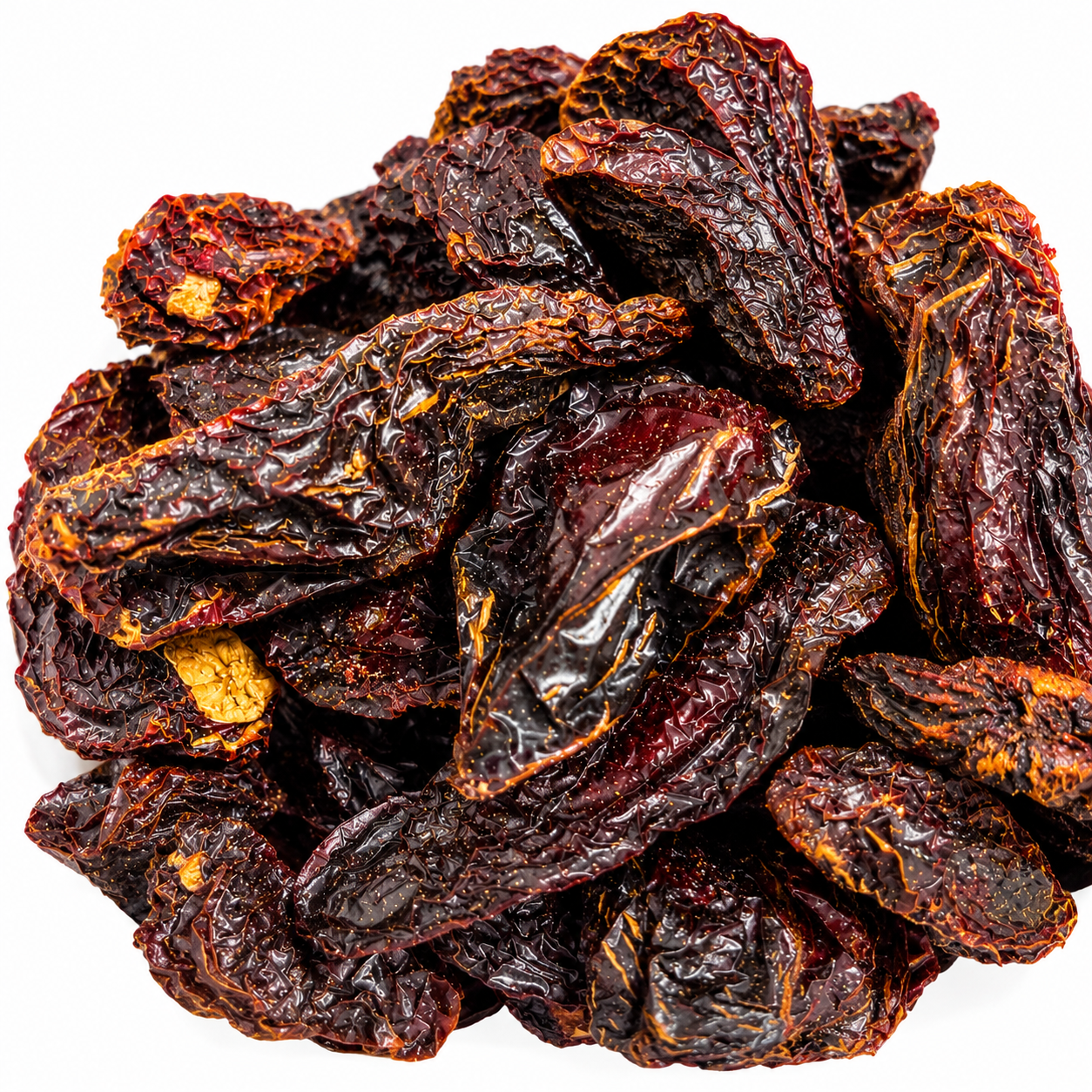
Chiltepin peppers (often referred to simply as chiltepines in Mexico) are a legendary staple of Sonoran cuisine. These tiny, wild, berry-like pods are renowned for their potent, sudden, and fleeting heat.
Here is a detailed description of the dried Chiltepin pods' heat level and their characteristics from Sonora, Mexico.
1. The Heat Profile: "Arrebatado"
The most defining characteristic of the chiltepin's heat is its delivery. In Mexico, it is frequently described as arrebatado, which translates to "rapid," "violent," or "impulsive."
Unlike chiles like the Ghost Pepper or Habanero, which have a slow, rolling, and enduring burn, the chiltepin hits you instantly with intense, sharp spiciness the moment it touches your palate.
Heat Intensity (Scoville Scale)
Dried chiltepines are considered exceptionally hot, especially when considering their minuscule size (typically less than 1/4 inch in diameter). They possess a wide heat range because they are predominantly wild-harvested, and their capsaicin levels are heavily influenced by environmental factors like rainfall and sunlight.
Heat Measurement Scoville Heat Units (SHU)Reference Point Median Heat Range50,000 – 100,000 SHU Roughly 10 to 40 times hotter than a Jalapeño. Equal to or hotter than a Thai pepper.
Exceptional Range Up to 140,000+ SHU Occasionally reaching the lower threshold of Habanero heat.
Duration
The burn is intense but extremely brief. It flares up aggressively, offering a moment of true fire, before calming down rapidly.
2. Flavor Profile: More than Just Heat
While renowned for their spiciness, Sonoran chiltepines are prized for the complex flavor they provide. When sun-dried (the traditional method), they develop a distinctive profile:
This complexity makes them more than a generic "heat agent"—they are considered a finishing flavor enhancer.
3. Cultural Significance and Sonoran Origins
The yarime (or yaqui) designation likely refers to specific regional variations or collection sites within Sonora, particularly associated with Yaqui communities along the Río Yaqui, which have historically utilized and traded these wild fruits.
Chiltepines are known as the "Mother of all Peppers" because they are the wild progenitors of the entire Capsicum annuum species (the same species as bells, jalapeños, and serranos). They thrive naturally in the Sonoran desert under the protection of larger nurse plants like mesquite bushes.
4. Sonoran Use and "Red Gold"
Chiltepin harvesting, carried out by professional chiltepineros and local families, is a vital economic and cultural activity. Because of their limited wild supply, difficulty in harvesting, and exceptionally high demand across Northwest Mexico and the US Southwest, they are often nicknamed "Sonoran Red Gold."
Culinary Application
Sonorans rarely cook them into the dish. Instead, they are typically crushed over the finished dish right before eating, using specialized wooden shakers called chiltepineros. They are an essential accompaniment for:
Mariscos (Seafood): Essential for aguachile and ceviche.
Carne Asada.
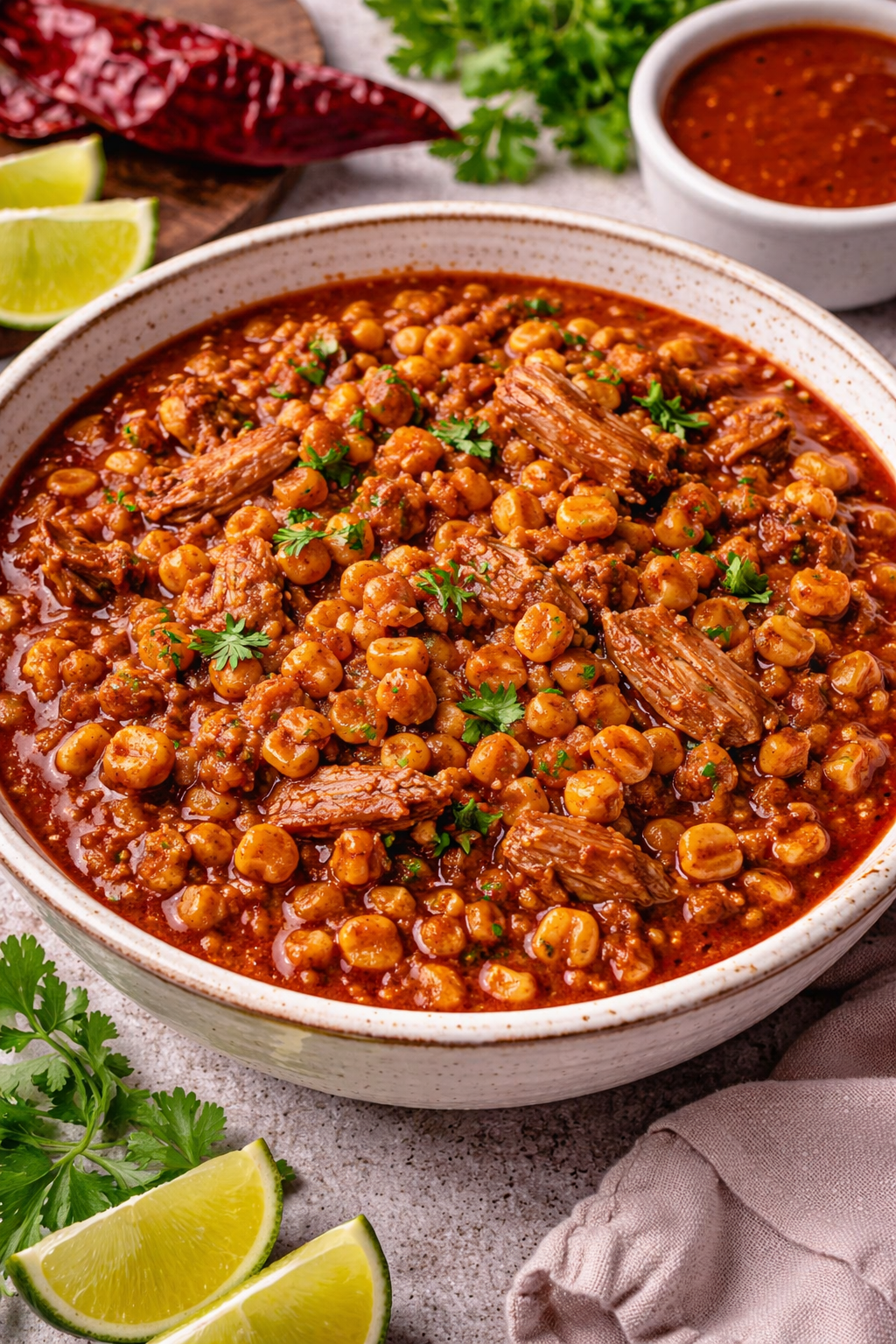
Pozole, Menudo, and Soups: Crushing 2-3 pods over a bowl transforms the broth.
Chiltepin peppers (often referred to simply as chiltepines in Mexico) are a legendary staple of Sonoran cuisine. These tiny, wild, berry-like pods are renowned for their potent, sudden, and fleeting heat.
Here is a detailed description of the dried Chiltepin pods' heat level and their characteristics from Sonora, Mexico.
1. The Heat Profile: "Arrebatado"
The most defining characteristic of the chiltepin's heat is its delivery. In Mexico, it is frequently described as arrebatado, which translates to "rapid," "violent," or "impulsive."
Unlike chiles like the Ghost Pepper or Habanero, which have a slow, rolling, and enduring burn, the chiltepin hits you instantly with intense, sharp spiciness the moment it touches your palate.
Heat Intensity (Scoville Scale)
Dried chiltepines are considered exceptionally hot, especially when considering their minuscule size (typically less than 1/4 inch in diameter). They possess a wide heat range because they are predominantly wild-harvested, and their capsaicin levels are heavily influenced by environmental factors like rainfall and sunlight.
Heat Measurement Scoville Heat Units (SHU)Reference Point Median Heat Range50,000 – 100,000 SHU Roughly 10 to 40 times hotter than a Jalapeño. Equal to or hotter than a Thai pepper.
Exceptional Range Up to 140,000+ SHU Occasionally reaching the lower threshold of Habanero heat.
Duration
The burn is intense but extremely brief. It flares up aggressively, offering a moment of true fire, before calming down rapidly.
2. Flavor Profile: More than Just Heat
While renowned for their spiciness, Sonoran chiltepines are prized for the complex flavor they provide. When sun-dried (the traditional method), they develop a distinctive profile:
This complexity makes them more than a generic "heat agent"—they are considered a finishing flavor enhancer.
3. Cultural Significance and Sonoran Origins
The yarime (or yaqui) designation likely refers to specific regional variations or collection sites within Sonora, particularly associated with Yaqui communities along the Río Yaqui, which have historically utilized and traded these wild fruits.
Chiltepines are known as the "Mother of all Peppers" because they are the wild progenitors of the entire Capsicum annuum species (the same species as bells, jalapeños, and serranos). They thrive naturally in the Sonoran desert under the protection of larger nurse plants like mesquite bushes.
4. Sonoran Use and "Red Gold"
Chiltepin harvesting, carried out by professional chiltepineros and local families, is a vital economic and cultural activity. Because of their limited wild supply, difficulty in harvesting, and exceptionally high demand across Northwest Mexico and the US Southwest, they are often nicknamed "Sonoran Red Gold."
Culinary Application
Sonorans rarely cook them into the dish. Instead, they are typically crushed over the finished dish right before eating, using specialized wooden shakers called chiltepineros. They are an essential accompaniment for:
Mariscos (Seafood): Essential for aguachile and ceviche.
Carne Asada.
Pozole, Menudo, and Soups: Crushing 2-3 pods over a bowl transforms the broth.

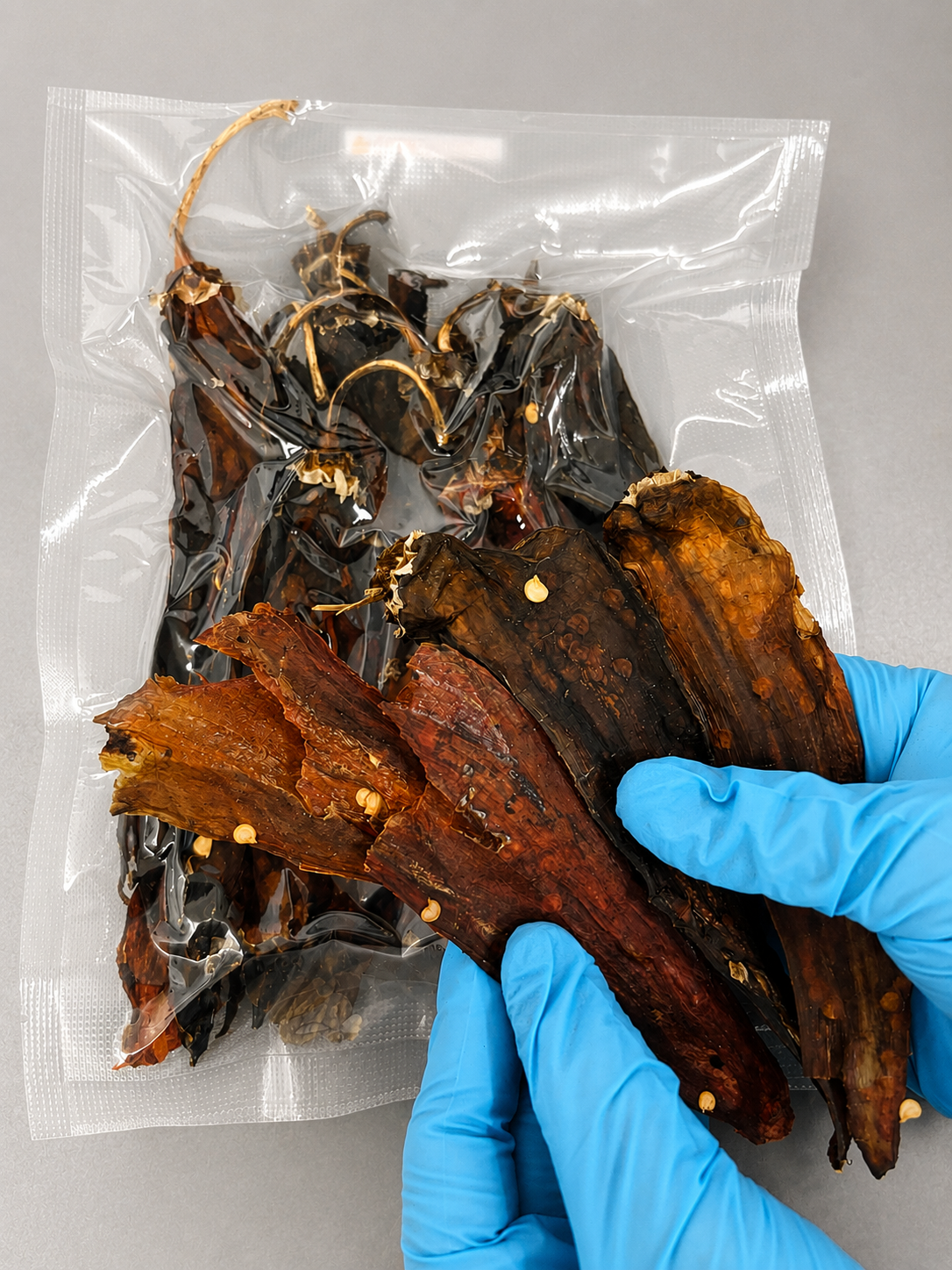
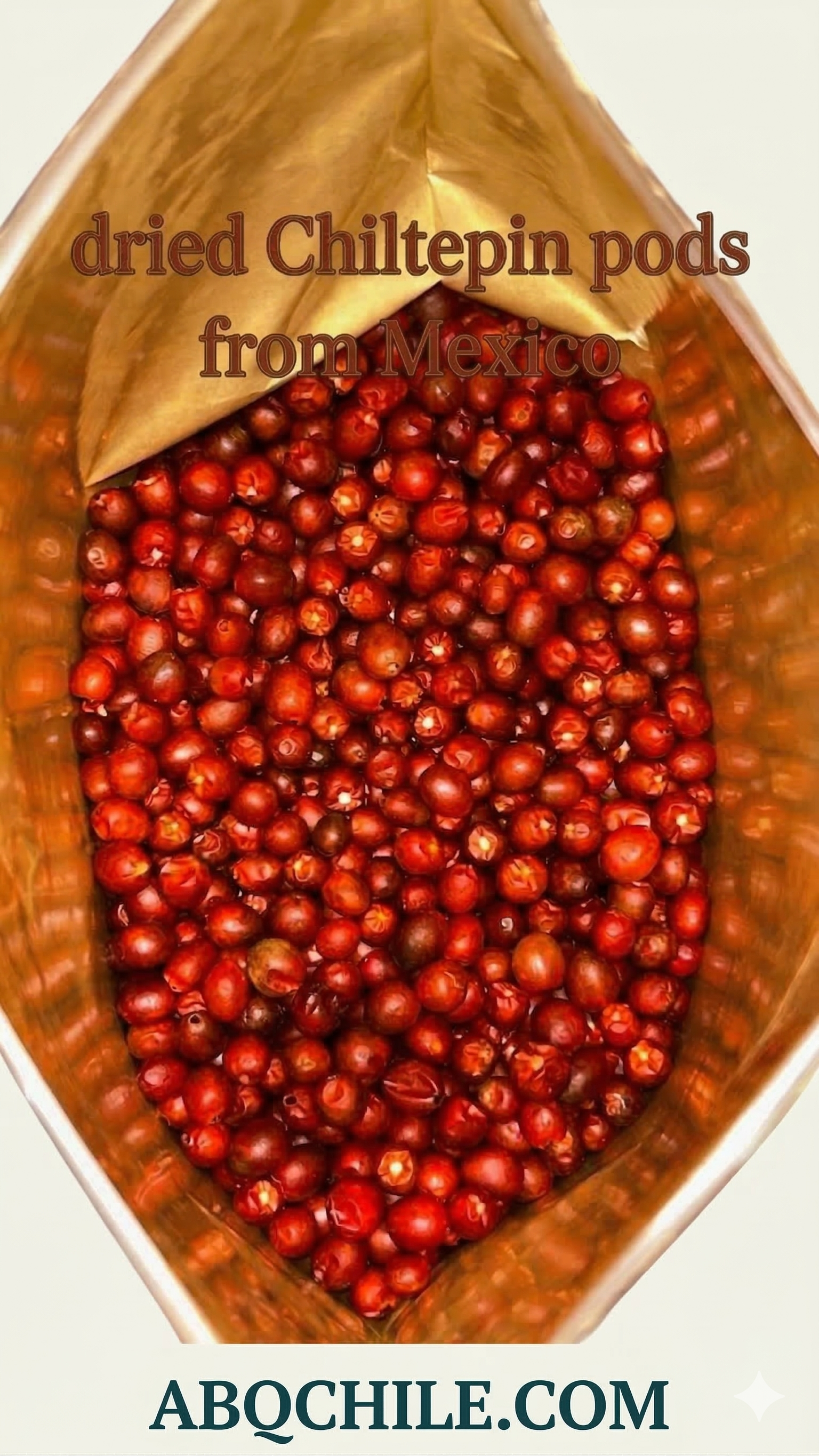 Image 1 of 4
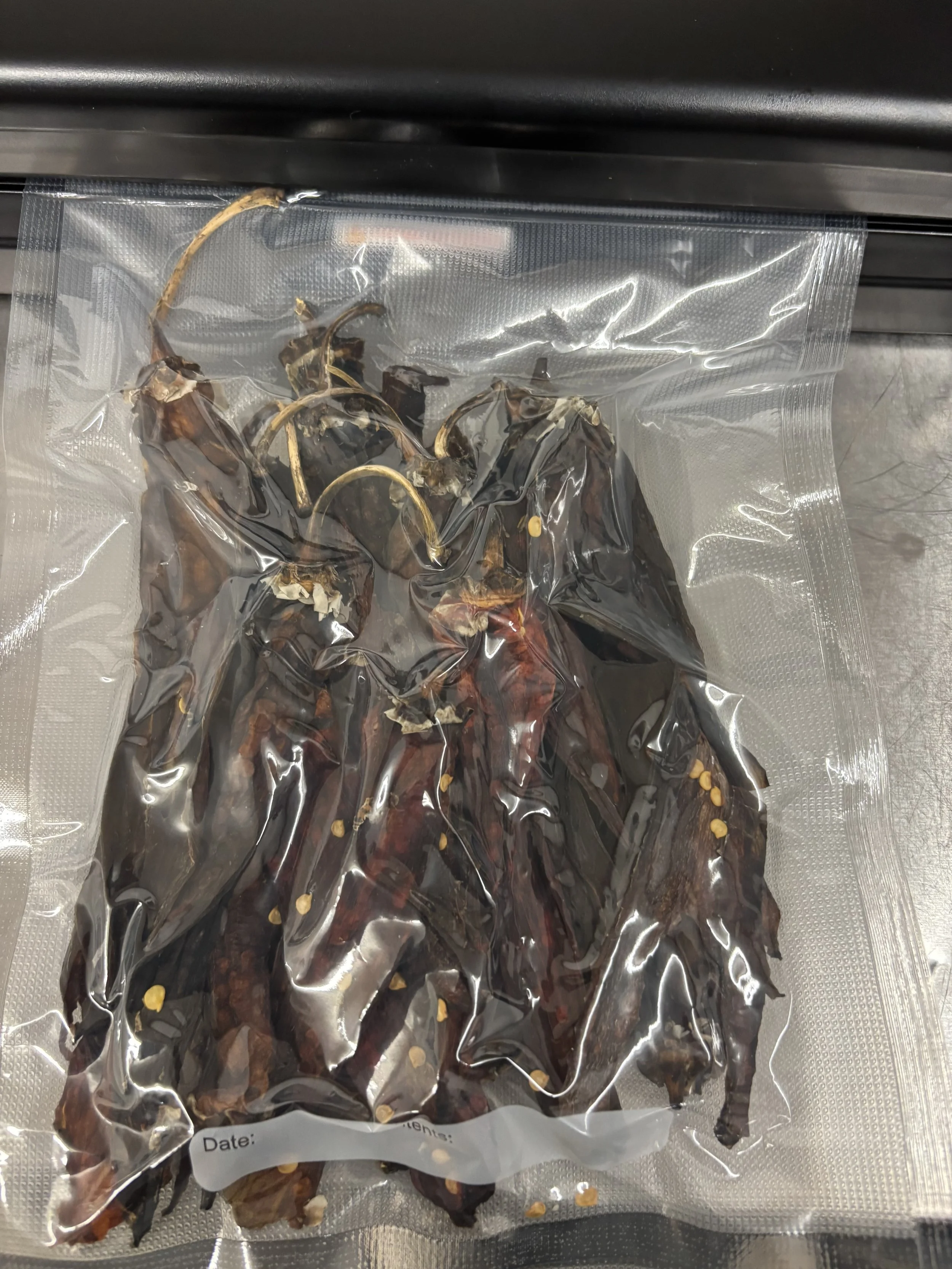
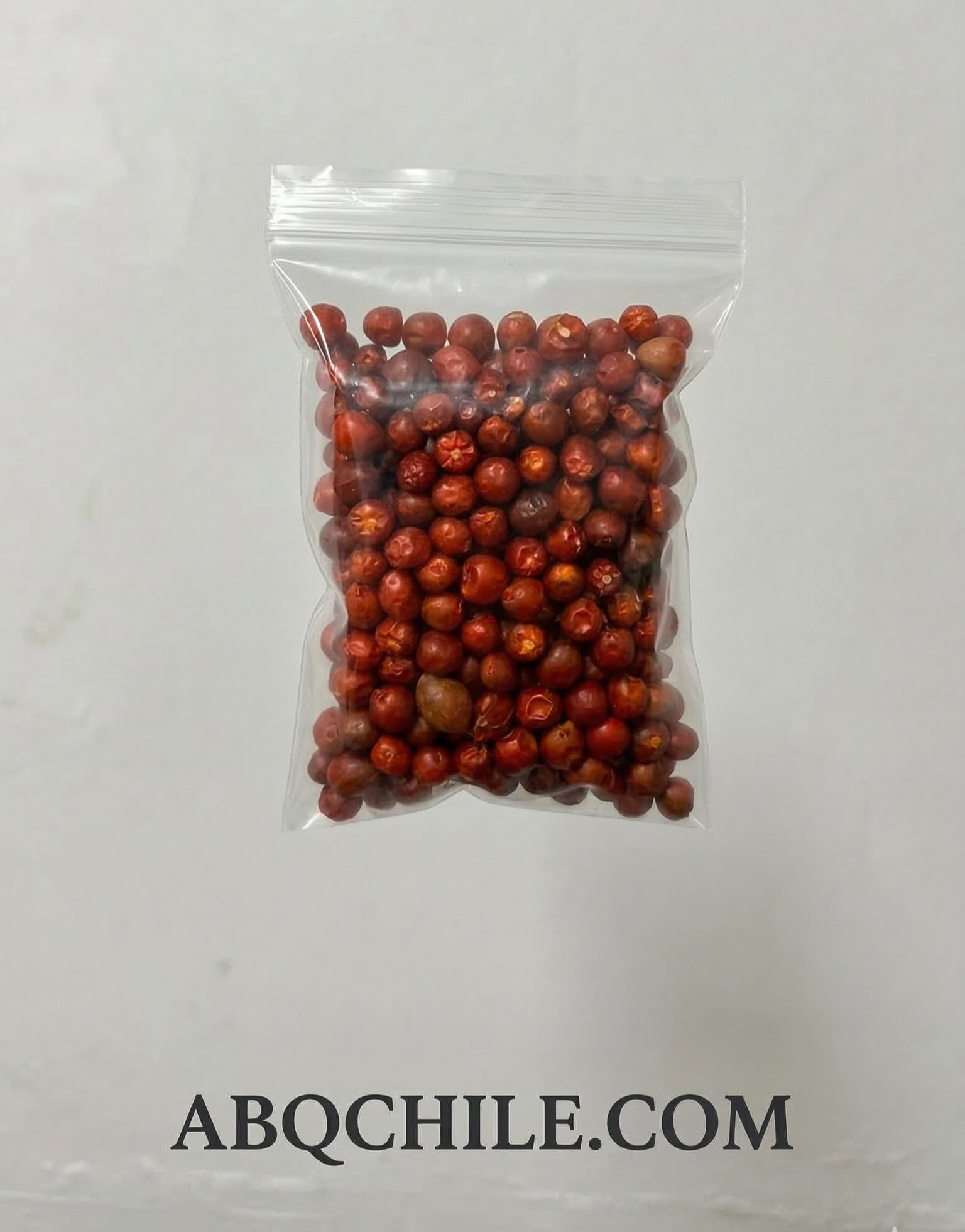 Image 2 of 4
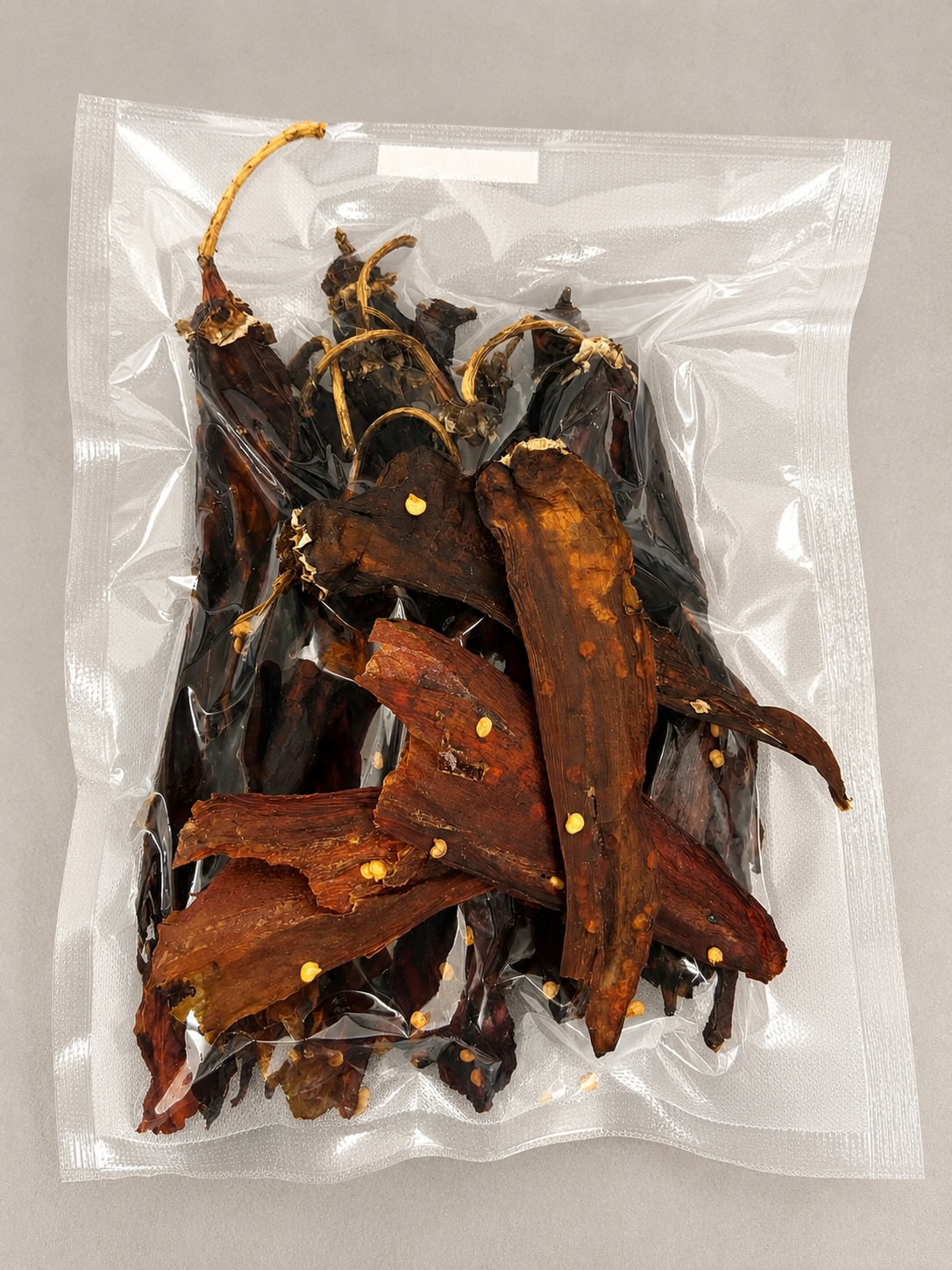
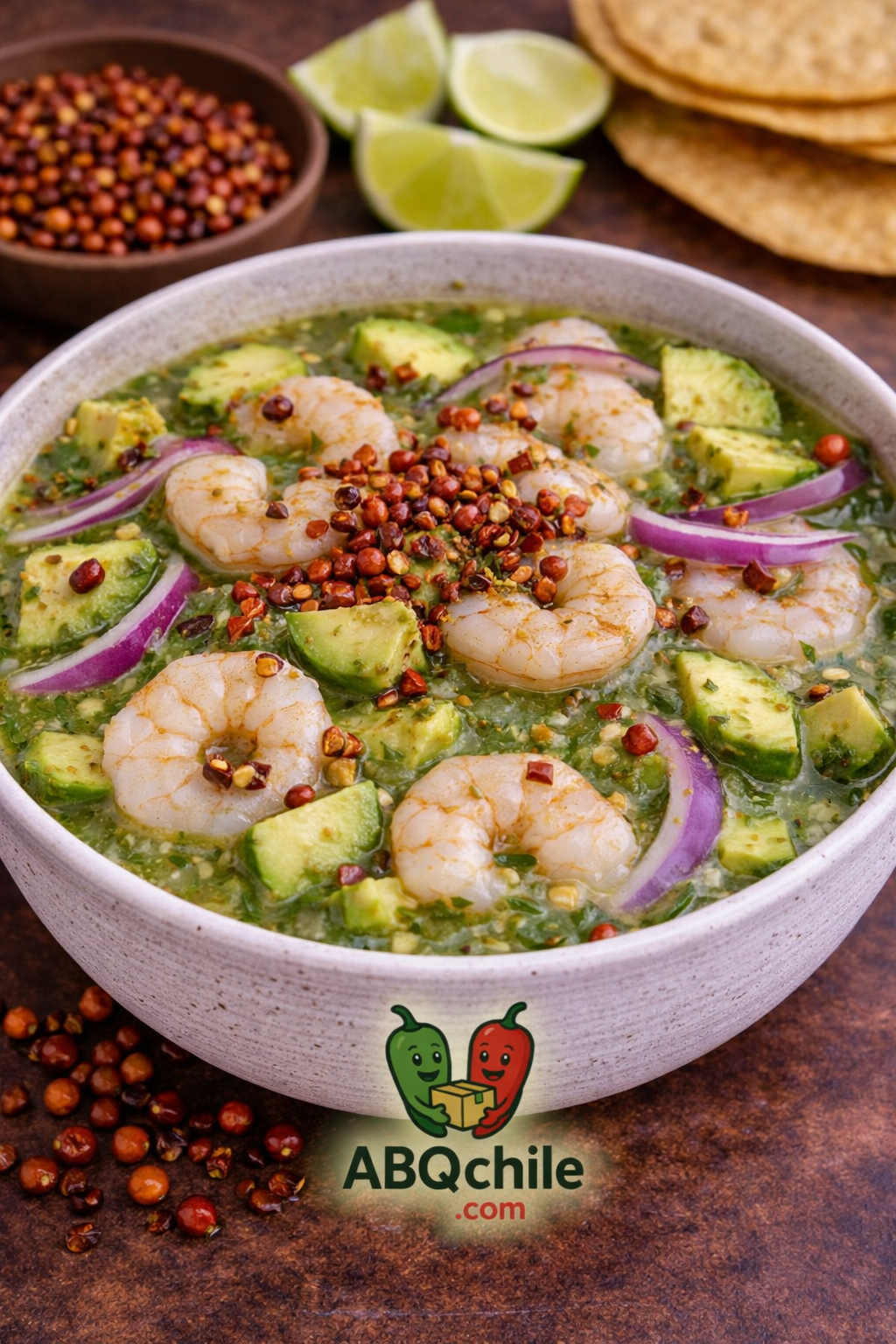 Image 3 of 4
 Image 4 of 4